What Is a Chai Latte? Your Ultimate Guide to This Spiced Tea Sensation
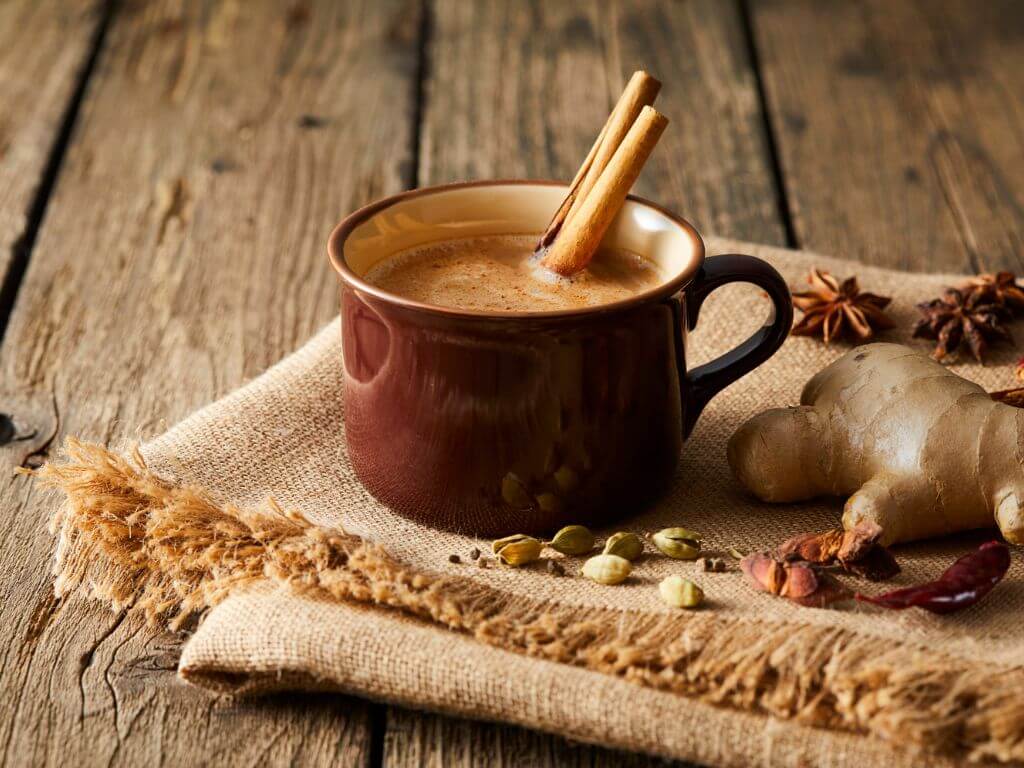
Picture this: a cool morning, a cozy blanket, and a steaming mug cradled in your hands. But it's not just any drink; it's a warm, fragrant embrace, creamy and gently spiced, wrapping you in comfort with every sip. If this sounds like your ideal moment, you've likely experienced the magic of a chai latte. Far more than just milky tea, a chai latte is a symphony of flavors that has captivated palates worldwide, offering a delightful alternative to coffee and a journey into the rich history of spiced beverages.
But what exactly defines a chai latte? Is it a spiced dessert in a cup, a coffee alternative, or simply an elevated tea experience? Let's dive deep into the world of this beloved drink, exploring its origins, unique characteristics, and how it stands apart from its traditional counterparts.
Decoding the Chai Latte: Ingredients and Flavor Profile
At its heart, a chai latte is a rich, creamy, and aromatic beverage crafted from a base of black tea, blended with a medley of warming spices, and finished with steamed milk. It’s a harmonious balance of robust tea, sweet warmth, and comforting creaminess, making it a truly unique experience.
Key Ingredients That Create the Magic:
- Black Tea: This forms the robust backbone of any chai. Varietals like Assam or Darjeeling are commonly used, providing a strong, malty, or sometimes fruity foundation that can stand up to the bold spices. The tea also contributes a gentle caffeine lift, making it a perfect pick-me-up.
- Aromatic Spices: This is where the chai latte truly comes alive. The signature blend typically includes:
- Cardamom: Often considered the soul of chai, offering a potent, sweet, and floral note.
- Cinnamon: Adds a sweet, woody warmth that’s instantly recognizable.
- Ginger: Provides a zesty, slightly pungent kick, often with a warming sensation.
- Cloves: Contributes a deep, strong, and sweet aroma.
- Black Pepper: A subtle but crucial addition, offering a mild heat and enhancing the overall spice profile.
- Milk: Crucial for achieving that signature creamy, latte-like texture. While dairy milk (whole milk often preferred for richness) is traditional, plant-based alternatives like oat, almond, or soy milk are increasingly popular, each lending its own subtle flavor and texture to the drink.
- Sweetener: To balance the intensity of the spices and tea, a sweetener is essential. Sugar, honey, maple syrup, or various flavored syrups are common choices, allowing for customization to individual taste preferences.
How it Tastes: A Symphony for the Senses
A well-made chai latte offers a complex yet comforting flavor profile:
- Warming: Thanks to the generous use of spices like ginger, cinnamon, and black pepper, each sip delivers a gentle, internal warmth.
- Aromatic: The blend of spices creates an intoxicating aroma that's as much a part of the experience as the taste itself.
- Slightly Sweet: While sweetness is adjustable, a typical chai latte is pleasantly sweet, balancing the bolder flavors without being cloying.
- Creamy: The steamed milk transforms the spiced tea into a velvety, smooth beverage, much like a traditional coffee latte, but with a unique tea-based twist.
The Ancient Roots: From Ayurvedic Elixir to Global Sensation
To truly understand the chai latte, we must journey back to its origins in India. The word "chai" itself simply means "tea" in Hindi. For thousands of years, long before Western coffee shops embraced the "chai latte," India was brewing masala chai – literally "spiced tea."
The history of chai dates back over 5,000 years, with its roots deeply embedded in Ayurvedic traditions. Initially, it was consumed as an herbal remedy, a caffeine-free concoction of spices used for their healing properties, without any actual tea leaves. It wasn't until the British introduced tea plantations to India in the 19th century that black tea leaves were incorporated, giving birth to the masala chai we recognize today.
Traditional Indian masala chai is a potent, strong, and less milky beverage, often prepared by simmering black tea leaves directly with fresh, whole spices (like ginger, cardamom pods, cinnamon sticks, and cloves) in water, then adding milk and sugar, and boiling it all together. It's an artisanal process, yielding a deeply aromatic and invigorating brew, typically served in small, handle-less clay cups called kulhads by street vendors (chaiwallahs) across India.
When this spiced tea tradition traveled West, particularly gaining traction in the 1990s with coffee chains like Starbucks, it underwent a significant transformation. Western cafés adapted masala chai into a more palatable, sweeter, and creamier drink, designed to appeal to a broader audience familiar with coffee lattes. This adaptation is what we now widely know as the "chai latte." A key difference lies in preparation: while traditional masala chai boasts the robust flavor of freshly simmered spices, café-style chai lattes often rely on pre-mixed syrups or powdered concentrates for speed and consistency, offering a sweeter, milder profile.
Crafting Your Comfort: Different Ways to Enjoy a Chai Latte
The beauty of the chai latte lies in its versatility. Whether you're a purist who loves to brew from scratch or someone needing a quick fix, there's a method for every palate and pace.
1. The Traditional Method (From Scratch)
This is how chai is made in Indian households and is arguably the most authentic and rewarding. It involves simmering whole spices and black tea leaves in water, allowing their flavors to fully infuse, before adding milk and sweetener. The result is a strong, aromatic, and deeply flavorful brew that offers an unparalleled sensory experience. While it requires a little more time and effort, the depth of flavor is truly unmatched. For a step-by-step guide, check out our article on Make a Perfect Chai Latte At Home: Café-Quality Taste, Easy Steps.
- Best For: Those who appreciate bold, complex flavors and are willing to invest a little extra time for an authentic experience.
- Key Steps: Gently toast and crush whole spices (cardamom, ginger, cinnamon, cloves, black pepper). Simmer spices in water for several minutes. Add black tea leaves and continue to simmer. Pour in milk and sweetener, bring to a gentle boil. Strain and serve hot or over ice.
2. The Café-Style Method (Using Concentrate or Powder)
This is the most common approach in coffee shops due to its speed and consistency. Baristas typically use pre-made chai concentrates (often a liquid syrup of brewed spiced tea) or powders, which are then mixed with steamed milk. This method ensures a consistently sweet and creamy beverage with minimal preparation time.
- Best For: Quick, creamy, and often sweeter versions, reminiscent of popular coffee shop offerings.
- Key Steps: Combine chai concentrate or powder with steamed milk. Top with a layer of foam and often a sprinkle of cinnamon or nutmeg.
3. The DIY Quick Fix (At Home in 5 Minutes)
For those days when you crave a chai latte but don't have time for elaborate brewing, several convenient options exist:
- Chai Tea Bag + Hot Milk + Sweetener: Steep a quality chai tea bag in hot water, then add heated or frothed milk and your preferred sweetener.
- Store-Bought Chai Concentrate + Frothed Milk: Keep a bottle of good quality chai concentrate in your fridge. Mix with hot frothed milk for an instant café-style drink.
- Instant Chai Powder + Hot Water/Milk: Various brands offer instant chai powders that dissolve quickly in hot water or milk, providing a fast and convenient option.
Chai Latte vs. Its Cousins: Masala Chai and Coffee Latte
While often grouped, these three beverages offer distinct experiences:
- Chai Latte: This is the Western interpretation. It features black tea, a blend of spices (often from concentrate), steamed milk, and is typically sweeter and creamier than traditional masala chai. The focus is on a smooth, sweet, and comforting profile.
- Masala Chai: The traditional Indian spiced tea. It's made by simmering fresh, whole spices and black tea leaves directly in water and milk, resulting in a stronger, bolder, and often less sweet flavor. The preparation is key, emphasizing the deep infusion of fresh spices.
- Coffee Latte: A coffee-based drink made with espresso and steamed milk, topped with a layer of microfoam. While it shares the "latte" creaminess, its base is coffee, not tea, and it lacks the characteristic spice blend of a chai latte. Flavored lattes may include syrups, but the core remains coffee.
Beyond the Mug: Tips for the Perfect Chai Latte Experience
Elevating your chai latte experience is all about personal touches and understanding the nuances of its preparation:
- Experiment with Milk: While whole milk offers a rich, velvety texture, try oat milk for a naturally sweet and creamy vegan option, or almond milk for a lighter, nutty touch.
- Adjust Sweetness: Don't be afraid to experiment with different sweeteners (honey, maple syrup, agave) and adjust the amount to your liking. Some prefer a bolder, less sweet chai, while others enjoy a more dessert-like treat.
- Enhance the Spices: If using a concentrate or tea bag, consider adding a pinch of extra ground cinnamon, cardamom, or ginger directly to your mug for an added flavor boost. A tiny pinch of freshly grated nutmeg can also be delightful.
- Garnish for Flair: A sprinkle of cinnamon, a star anise pod, or a small cinnamon stick can elevate the visual appeal and aroma of your chai latte.
- Enjoy It Iced: Chai lattes aren't just for cold weather. An iced chai latte is a refreshing and equally delicious option for warmer days. Simply pour your brewed chai and milk over ice.
Conclusion
The chai latte is more than just a drink; it's a cultural bridge, a comforting ritual, and a flavorful journey. From its ancient Ayurvedic origins as a healing elixir to its modern incarnation as a beloved café staple, it continues to evolve while retaining its core essence of warming spices and soothing creaminess. Whether you prefer the authentic complexity of a homemade brew or the convenience of a café-style rendition, the chai latte offers a unique and deeply satisfying experience that truly wraps you in comfort, one spiced sip at a time.
