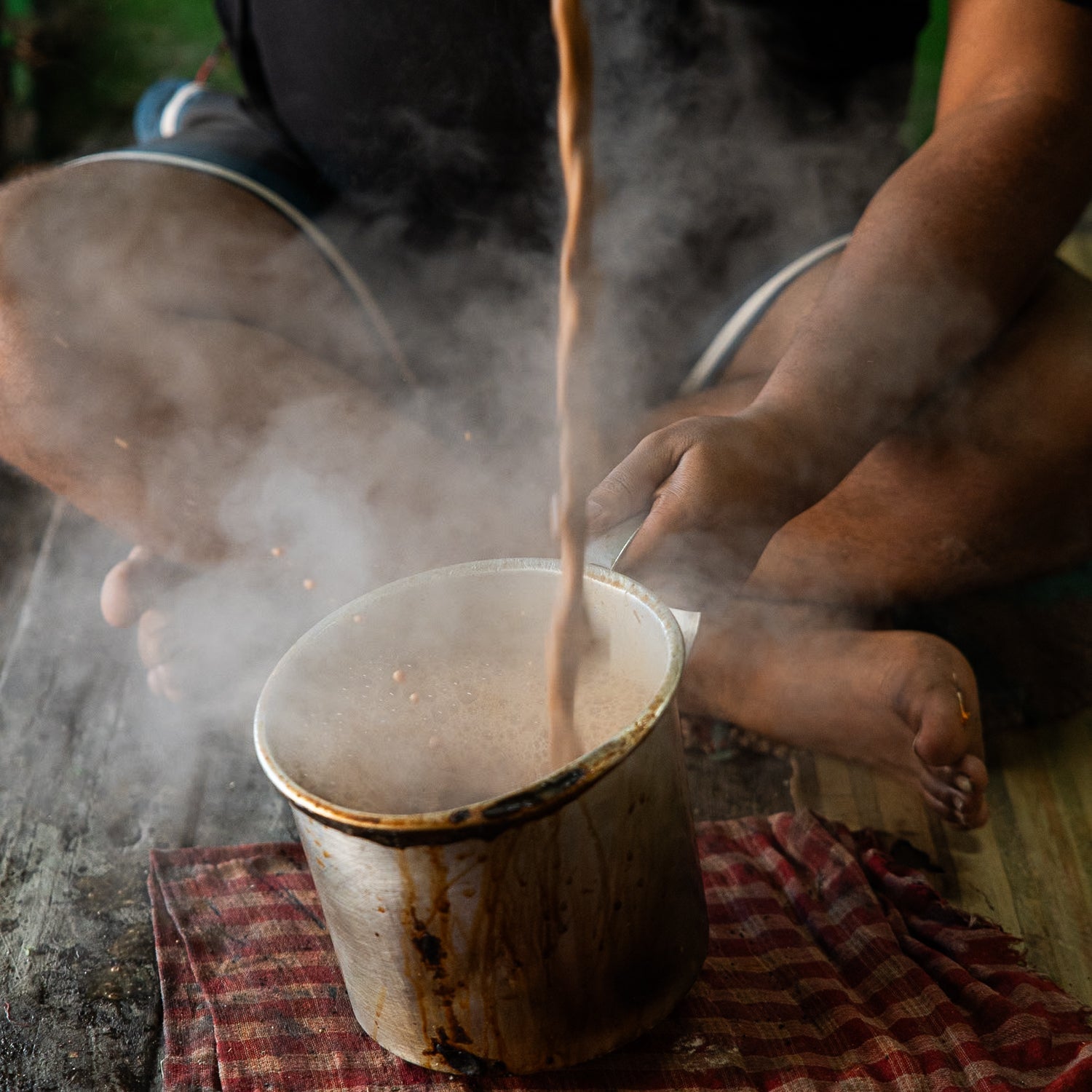
Chai Latte vs. Masala Chai: Understanding the Spiced Tea Story
Imagine a chilly morning, a quiet afternoon, or simply a moment when you crave more than just a typical cup of tea. You desire warmth, fragrance, and a gentle embrace of spices that soothes with every sip. This captivating concoction, a true comfort in a mug, has taken the Western world by storm, often known as the chai latte. But what exactly is a chai latte, and how does it compare to its ancient predecessor, the traditional Indian masala chai?
The journey of spiced tea is a rich tapestry woven through centuries of history, culture, and flavor. While the term "chai" might conjure images of a creamy, sweet café drink for many, its roots run much deeper, revealing a fascinating story of evolution and adaptation. This article will unravel the distinctions between the popular chai latte and authentic masala chai, guiding you through their ingredients, preparation methods, and unique cultural significance.
The Allure of the Chai Latte: A Western Interpretation
In its simplest form, a chai latte is a delightful, creamy, and spiced beverage made with black tea, steamed milk, and a carefully balanced blend of warming spices. It stands as a beloved coffee alternative, offering a comforting warmth without the intense jolt of espresso. Unlike its stronger, less milky Indian counterpart, a chai latte is celebrated for its smoother texture, often sweeter profile, and the convenience with which it's typically prepared in cafés using pre-mixed syrups or powders.
Key Ingredients & Taste Profile:
- Black Tea: Provides a robust foundation and a gentle caffeine lift. Varieties like Assam or Darjeeling are commonly used, offering a strong base that stands up to the spices and milk.
- Milk: The cornerstone of its "latte" identity. Steamed milk, whether dairy or a plant-based alternative (oat, almond, soy), creates that signature creamy, velvety texture.
- Spices: The heart and soul of chai. A harmonious blend typically includes cinnamon, cardamom, ginger, cloves, and a hint of black pepper. These spices deliver its characteristic warm, aromatic, and sometimes subtly piquant flavor.
- Sweetener: Sugar, honey, or syrup is often added to balance the spice notes and enhance the drink's comforting sweetness, adjusted to individual preference.
The taste of a chai latte is an exquisite blend of warming spices—thanks to ginger and black pepper—a comforting sweetness that's usually present but not overpowering, and a luxurious creaminess that mirrors its coffee latte cousins. It's a comforting hug in a mug, perfect for those seeking a less intense, yet still invigorating, spiced beverage. For a deeper dive into its origins and what makes it unique, explore What Is a Chai Latte? Spiced Tea, Origins & Key Differences.
A Journey to the West:
Long before it graced the menus of Starbucks and other major coffee chains, the concept of spiced tea thrived in India. However, when this aromatic brew traveled westward, it underwent a transformation. Western cafés adapted the strong, traditional masala chai into a creamier, sweeter, and often milder latte-style drink. This adaptation, heavily relying on pre-made chai concentrates or powders for consistency and speed, truly propelled the chai latte into the mainstream in the 1990s, making it a household name.
Masala Chai: The Authentic Indian Heartbeat in a Cup
To truly understand the chai latte, one must journey back to its origins: masala chai. In India, "chai" simply means "tea." The spiced version that we've come to associate with the word is specifically called "masala chai," with "masala" referring to a blend of spices. This strong, spicy, and often less milky tea has been a staple in Indian households and on street corners for millennia.
Ancient Roots & Cultural Significance:
Dating back over 5,000 years, masala chai was originally rooted in Ayurveda, used for its healing properties rather than purely as a beverage. It evolved into the beloved drink it is today during the British colonial era, when tea consumption became widespread. Unlike the Western adaptation, traditional Indian masala chai is a robust, invigorating brew, typically simmered with fresh, whole spices, black tea leaves, milk, and sugar. It's often served in small, handle-less clay cups called kulhads, a daily ritual that brings people together and offers a moment of warmth and connection.
Key Ingredients & Authentic Flavor:
- Strong Black Tea: Assam tea is a popular choice for its malty, robust flavor that can stand up to the strong spices.
- Fresh, Whole Spices: This is where masala chai truly shines. Crushed ginger, green cardamom pods, cinnamon sticks, cloves, and black peppercorns are often freshly ground or bruised before simmering, releasing their full aromatic potential.
- Milk: While present, the milk-to-tea ratio in masala chai is typically lower than in a chai latte, resulting in a stronger, bolder tea flavor. Dairy milk is traditional, often simmered directly with the tea and spices.
- Sweetener: Sugar is usually added during the brewing process, allowing it to dissolve and meld with the other flavors. The sweetness level is generally less pronounced than in a Western chai latte, allowing the spices to dominate.
The flavor of authentic masala chai is bold, complex, and intensely aromatic. It’s a powerful symphony of spices that invigorates the senses, less creamy and often spicier than its Western counterpart. The emphasis is on the potent, earthy, and fiery notes of the fresh spices.
Key Differences: Brewing Methods, Flavor Profiles, and Cultural Context
While both beverages offer a spiced tea experience, their differences are fundamental, shaping their taste, texture, and cultural role.
1. Brewing Method & Ingredients:
- Masala Chai: The traditional method involves simmering fresh, whole spices (crushed cardamom, ginger, cinnamon, cloves, black pepper) in water, then adding strong black tea leaves. Only after a proper steep and simmer are milk and sweetener introduced. This slow infusion ensures a deep, rich, and authentic spice flavor. As Claire Chan, founder of Olde Brooklyn Bagel Shoppe, aptly puts it, "Fresh spices and proper simmering time make all the difference."
- Chai Latte: Often prioritizes speed and consistency. In cafés, this usually means mixing pre-made chai concentrate (a highly sweetened and spiced syrup) or powdered chai with steamed milk. At home, a quick fix might involve a chai tea bag, hot milk, and honey, or a store-bought concentrate with frothed milk. While convenient, this method typically yields a milder, less complex spice profile than fresh-simmered masala chai.
2. Flavor Profile & Sweetness:
- Masala Chai: Characterized by its strong, robust tea base and an assertive, often spicy kick from fresh ginger and peppercorns. It's less sweet and significantly less creamy, allowing the true essence of the spices and tea to shine through. The spices are the dominant flavor, not merely an accompaniment.
- Chai Latte: Tends to be sweeter and much creamier, with the steamed milk playing a starring role. The spice blend is generally milder, more aromatic, and less fiery, designed to be palatable to a broader audience. It often leans towards a dessert-like quality.
3. Texture & Creaminess:
- Masala Chai: Is milky but typically not frothed. Its texture is more akin to a strong, hot tea with milk, rather than a thick, foamy latte.
- Chai Latte: Defines itself by its luxurious, frothy, and creamy texture, achieved through steamed milk. This contributes to its comforting, smooth mouthfeel, similar to a coffee latte.
4. Cultural Context:
- Masala Chai: Is deeply embedded in Indian culture as an everyday beverage, a symbol of hospitality, and a source of daily comfort. It's a staple in homes, on trains, and from street vendors.
- Chai Latte: Represents a Western adaptation, primarily found in cafés and coffee shops. It's a specialty drink, an indulgence, and a popular alternative to coffee, often marketed for its exotic yet comforting appeal.
Crafting Your Perfect Spiced Tea: DIY Tips and Tricks
Whether you're drawn to the authentic boldness of masala chai or the creamy sweetness of a chai latte, both can be wonderfully recreated at home. Embrace the adventure of brewing your own spiced tea!
For Authentic Masala Chai (The Traditional Method):
To truly capture the essence of Indian masala chai, commitment to fresh, whole spices is key.
- Simmer Spices: Gently crush whole spices like 4-5 green cardamom pods, a 1-inch piece of fresh ginger (sliced or grated), 1 small cinnamon stick, 2-3 cloves, and a few black peppercorns. Simmer these in about 1 cup of water for 5-7 minutes to allow their flavors to fully infuse.
- Add Tea: Stir in 1-2 teaspoons of strong black tea leaves (Assam works best). Continue to simmer for another 2-3 minutes.
- Introduce Milk & Sweetener: Pour in ¾ to 1 cup of milk (adjust to desired strength) and 1-2 teaspoons of sugar. Bring the mixture to a gentle boil, then reduce heat and simmer for another 2-3 minutes, stirring occasionally, until it's fragrant and a rich color.
- Strain and Serve: Strain the chai through a fine-mesh sieve into cups. Serve hot.
Tip: Don't be shy with the ginger! Freshly grated ginger adds a unique zing and warmth that powdered ginger can't replicate. Experiment with your spice ratios to find your perfect blend.
For a Café-Style Chai Latte at Home:
Achieving that creamy, sweet café taste is easier than you think, and can save you money and time.
- From Concentrate: The simplest method involves using a good quality store-bought chai concentrate. Mix ½ cup concentrate with ½ cup steamed or frothed milk (dairy or plant-based). Adjust the ratio to your taste preference.
- From Scratch (Simplified): Brew 1 cup of strong spiced black tea (using a good quality chai tea bag or loose-leaf spiced tea). Heat 1 cup of milk in a saucepan or microwave, then froth it using a frother, whisk, or even a French press. Combine the tea and frothed milk, adding honey or sugar to taste.
- Quick Hack: Steep a chai tea bag in a small amount of hot water. Meanwhile, heat and froth your milk. Combine the two, add honey or your preferred sweetener, and sprinkle with cinnamon.
Tip: For that authentic latte texture, investing in a milk frother (even a handheld battery-operated one) makes all the difference. Oat milk often froths exceptionally well for plant-based options. For detailed instructions on achieving barista-quality results, check out Make a Perfect Chai Latte At Home: Café-Quality Taste, Easy Steps.
Conclusion
The spiced tea story is one of delightful diversity. Whether you prefer the robust, authentic kick of masala chai or the sweet, creamy comfort of a chai latte, both beverages offer a unique and heartwarming experience. Understanding their distinct origins, ingredients, and preparation methods allows for a deeper appreciation of each sip. So, next time you crave that comforting warmth, you can choose to embrace the ancient traditions of India or indulge in a modern Western classic, knowing the rich history and flavors that lie within your cup.
